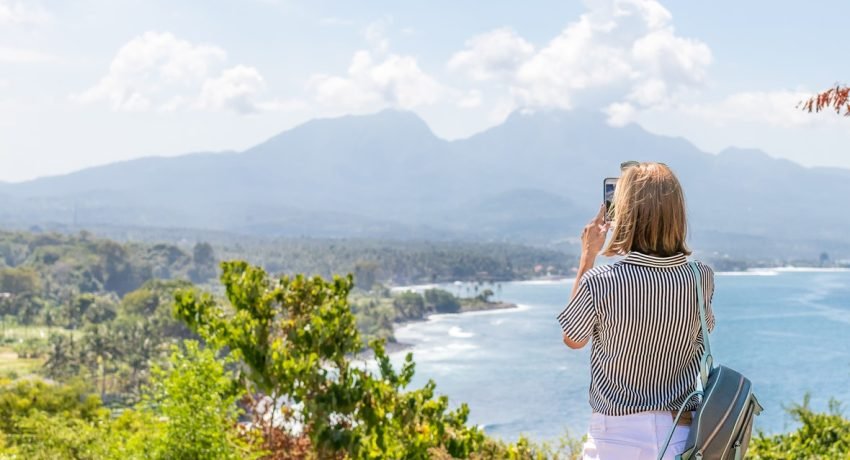
There comes a point when life feels crowded — not with people, necessarily, but with noise. Notifications, deadlines, decisions, other people’s opinions. You know something needs to change, but you cannot think clearly enough to say what. That is the moment to go outside. Not to run away, but to find the quiet in which your own thoughts can finally be heard.
Nature has a way of doing what no amount of staring at a screen can do: it slows you down, clears the noise, and lets you hear yourself think. This guide is about how a visit to nature can help you find your direction again — and how to make the most of that time.
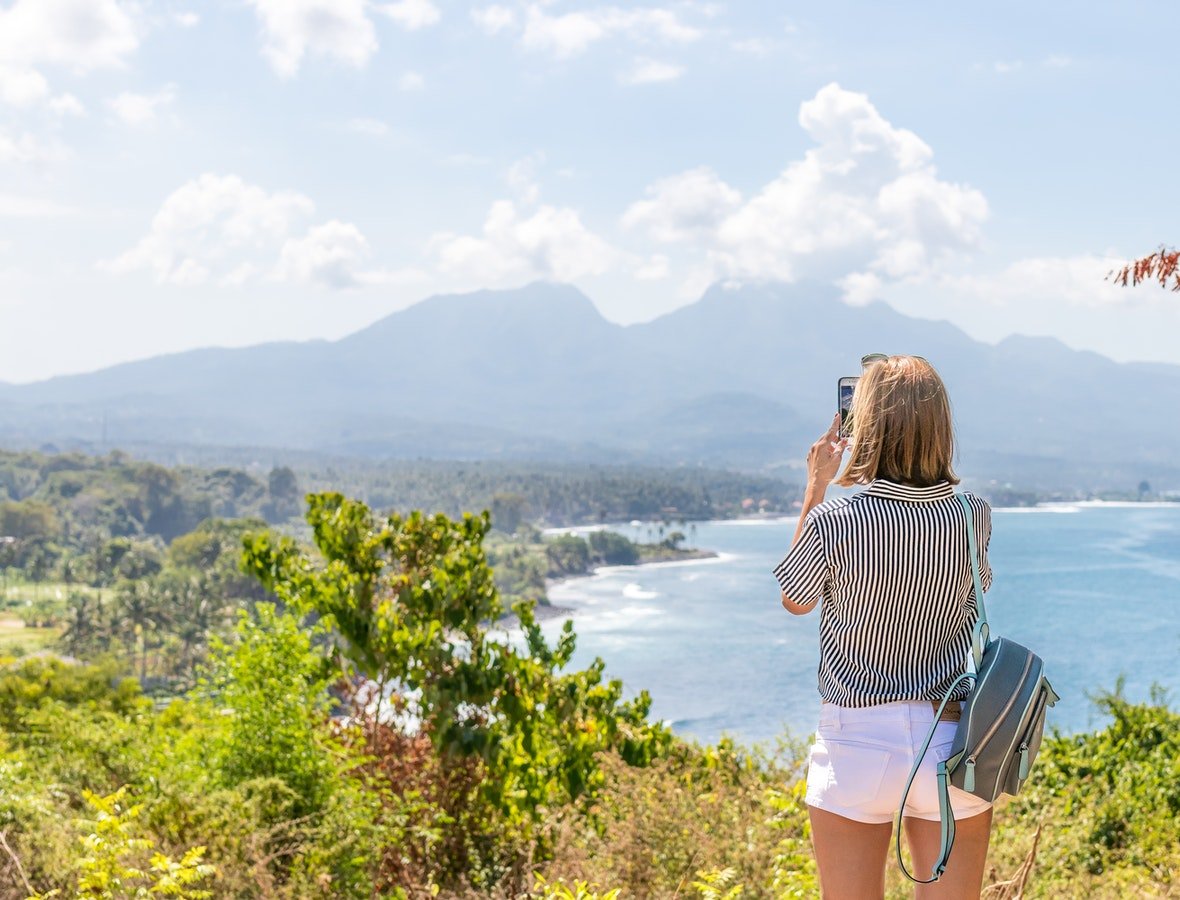
Why Nature Clears the Mind
In a city, your attention is pulled in a hundred directions at once. In nature, it narrows to a few simple things: the path under your feet, the sound of water, the wind in the trees. That simplicity is restful. Without the constant stream of demands, your mind gets space to sort through what matters and let go of what does not.
You do not need a grand wilderness for this to work. A forest trail, a quiet beach, a hill with a view — any place where the horizon is wider than a screen will do. The key is distance from your ordinary surroundings, even for a few hours. If the idea of wild places calls to you, our guide Into the Heart of the Wild explores how time in wild landscapes changes the way you feel about your own life.
Choose a Place That Suits You
Not every natural place suits every person, and that is fine. Some people find clarity on a mountain trail; others find it sitting beside a lake, or walking through a quiet forest. Choose a place that matches your mood and your fitness. If you are tired and restless, a gentle walk may serve you better than a demanding climb. If you feel stuck, a longer hike with a clear destination can give you a sense of progress.
Check the practical details before you go: the weather, the length of the trail, whether you need water and food, and how you will get back. A little preparation removes worry, and removing worry is part of the point.
Walk Slowly and Leave the Noise Behind
The temptation is to bring your phone, your music, your podcasts — the same noise, in a prettier place. Resist it. Put the phone on silent and in your bag, and use it only for photos or emergencies. Walk at a pace that lets you notice things: the shape of a leaf, the smell of rain on dry earth, the way the light falls through the trees.
Walking slowly is not wasting time. It is the work itself. When your body settles into a steady rhythm, your thoughts often settle too, and the questions you have been avoiding start to answer themselves — not in words, at first, but in a quiet sense of what feels right.
Let Your Thoughts Arrive on Their Own
Do not go into nature with a list of problems to solve, and do not force yourself to reach a decision by the end of the walk. The mind works best when it is given room. Walk, look around, sit for a while. Let thoughts come and go without chasing them. Often the insight you need arrives sideways — a memory, a phrase, a sudden understanding — when you stop demanding it.
If a thought keeps returning, pay attention to it. That is usually the one that matters. You do not have to act on it immediately; noticing it is enough for today.
Write Down What You Notice
Bring a small notebook. At the end of your walk, sit somewhere comfortable and write for ten minutes. Not a polished essay — just what you noticed, what you felt, and what kept coming to mind. Writing turns vague feelings into something you can look at and think about later.
You may be surprised by what appears on the page. A decision you have been avoiding may look simpler in writing. A worry may turn out to be smaller than it felt. Keep the notebook; when you read it again in a week, the pattern will be clearer still.
When No Answer Comes
Sometimes you return from nature without an answer, and that is normal. Not every walk delivers a revelation. What it does deliver is rest, perspective, and a calmer mind — and a calmer mind makes better decisions in the days that follow. Do not judge the trip by whether it solved your problem. Judge it by whether you feel steadier than when you left.
If you are going through a genuinely difficult time, nature helps, but it is not a substitute for talking to someone you trust or a professional. A walk can clear your head; it cannot carry everything on its own. Reaching out for support is not a failure — it is part of finding your way.
Bringing the Calm Home
The hardest part of a nature visit is keeping its effect once you are back in the noise. Try to carry one small habit home with you: a short walk each morning, ten minutes without a screen, a plant on your desk, a weekly visit to a park. Small, regular contact with nature keeps the clarity alive between bigger trips.
Spring is a good time to begin, when the world itself seems to be starting over. Our guide Spring Awakens the Soul is about exactly that feeling — noticing the season change, and letting it change something in you too.
FAQ: Finding Yourself in Nature
How long should I spend in nature for it to help?
Even an hour of unhurried walking can make a difference. A full day is better, and a weekend better still — but start with whatever time you honestly have, and protect it.
Should I go alone?
Going alone usually works best for thinking, because you are free to set your own pace and sit in silence. But go with someone you trust if the place is remote, the trail is unfamiliar, or you simply feel safer that way. Safety comes first.
What if I live in a city with no wild places nearby?
Start with what you have: a large park, a river path, a botanical garden, even a quiet street lined with trees. The point is green space and quiet, not remoteness. A regular walk in a city park, taken slowly and without your phone, still counts.
Final Thoughts
If you visit nature to find your life, go without an agenda. Walk slowly, leave the noise behind, and let your thoughts arrive in their own time. You may not come home with every answer — but you will come home with a clearer head, a steadier heart, and a better sense of which way to walk next. Sometimes that is exactly what finding your life looks like.