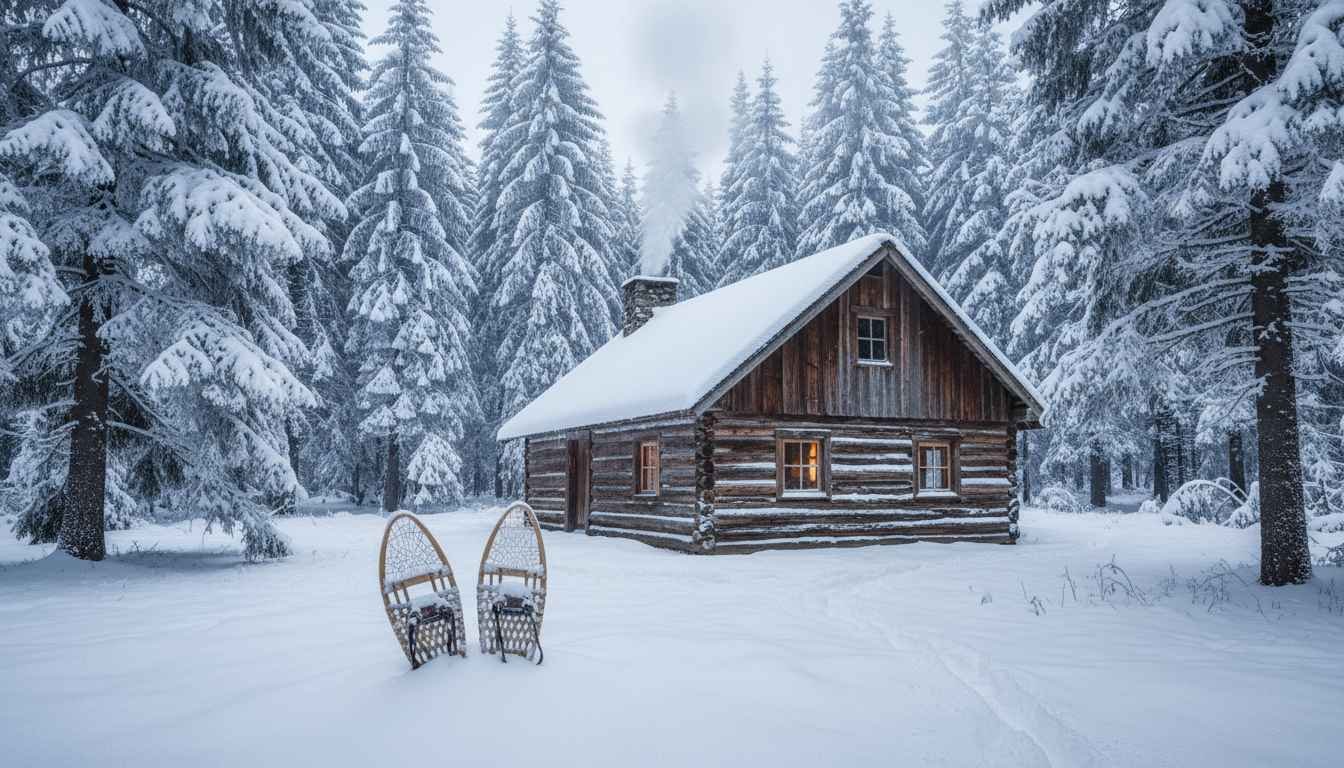
There is a particular silence that falls over the Cascades after a fresh snow — the kind you hear standing outside a cabin at dusk, woodsmoke in the air, snowshoes leaning by the door. Washington State in winter is built for exactly this: mountain towns dressed in lights, national parks gone quiet and white, and ski slopes an hour from a major city. Here is where to go.
Leavenworth: The Bavarian Winter Village
Tucked in the Cascades, Leavenworth reinvented itself decades ago as a Bavarian-themed village — and in winter the gamble pays off spectacularly. Half a million lights drape the timbered storefronts, horse-drawn sleigh rides clip through the snow, and the smell of bratwurst and glühwein hangs in the cold air. It is unapologetically festive and genuinely fun. Book lodging early for December weekends, and try the nearby tubing hills and cross-country trails for daytime adventure.
Mount Rainier National Park: Winter at the Mountain
The 14,411-foot volcano dominates the skyline on clear days, and in winter the park’s Paradise area becomes a snowshoeing and cross-country skiing haven, with ranger-led snowshoe walks on winter weekends. Winter access is weather-dependent and the road can close, so check the park’s current conditions before driving up — but on a bluebird day after a storm, with Rainier gleaming above the snowfields, there is nowhere better in the state.
Olympic National Park and Hurricane Ridge: Peaks Above the Clouds
Olympic is the park of three worlds — glacier-capped peaks, temperate rainforest, and wild coastline — and winter sharpens all three. Hurricane Ridge, reached by a winding mountain road from Port Angeles, offers sweeping views across the Olympics and the Strait of Juan de Fuca, with a small ski and snowboard area and marked snowshoe routes. The lowland rainforest trails, meanwhile, stay snow-free and moody-green: winter is an underrated time to walk among the moss-draped giants.
Snoqualmie Pass and Stevens Pass: Skiing Near Seattle
For downhill skiing, the closest lift-served terrain to Seattle is Snoqualmie Pass, under an hour east on I-90 — ideal for a day trip, night skiing, and beginners. Stevens Pass, about 90 minutes northeast, offers bigger terrain and deeper snow on the drier eastern slopes. Crystal Mountain, near Mount Rainier, rounds out the big three with the state’s highest lift-served terrain and unmatched views of the mountain itself. Whichever you choose, check pass conditions and carry traction tires or chains; I-90 and US-2 enforce traction requirements during storms.
Snoqualmie Falls: Winter Drama
The 268-foot falls — taller than Niagara — run powerful year-round, and winter adds a different kind of drama: swollen flows, mist hanging in the gorge, and ice formations crusting the rocks on the coldest days. (A full freeze is rare — it last happened during an exceptional cold snap — so come for the thundering water rather than expecting an ice palace.) The upper viewpoint is a short walk from the parking lot, making this an easy half-day trip from Seattle.
Winthrop and the Methow Valley: Cross-Country Country
Over the Cascades in the rain shadow, the old-west town of Winthrop keeps its wooden boardwalks and frontier false-fronts under a blanket of famously dry snow. The Methow Valley around it holds one of the largest groomed cross-country ski trail networks in North America — mile after mile of perfectly tracked trails through ponderosa pine. Even non-skiers love it here: sleigh rides, snowmobile tours, and some of the darkest, starriest winter skies in the state.
Seattle: Your Winter Base
Most winter trips start in Seattle, and the city earns a day or two of its own. Pike Place Market is at its most local in winter, the Seattle Art Museum and Museum of Pop Culture offer warm indoor hours, and the waterfront’s piers and the Great Wheel look moody and beautiful in winter light. Stay downtown or near the airport, rent a car with winter tires, and radiate out to the mountains from there.
Winter Driving and Planning Tips
Washington takes winter mountain travel seriously, and so should you. Carry chains or have traction tires from November through March, check the state DOT’s mountain pass reports before crossing the Cascades, and keep the gas tank half full. Daylight is short — plan outdoor activities for the 9-to-4 window. If you are chasing snow rather than braving it, our guide to best places to visit in Chicago during winter covers another great cold-weather city break.
Frequently Asked Questions
What is the best month for snow in Washington State?
January through March offers the most reliable mountain snow. December can be excellent in the high Cascades but is less predictable at lower elevations.
Do I need chains to drive in Washington in winter?
On mountain passes, often yes — traction tires or chains are legally required during storms on I-90, US-2, and the road to Paradise at Mount Rainier. Check conditions before you go.
Is Leavenworth worth visiting in winter?
Yes — it is the state’s signature winter town. Go on a weekday if you can; December weekends are magical but crowded and pricey.
Final Thoughts
Washington’s winter rewards preparation and pays it back double: empty trails at Hurricane Ridge, lights glowing in Leavenworth, powder days an hour from Seattle. Pack the chains, watch the forecast, and let the Cascades do the rest.