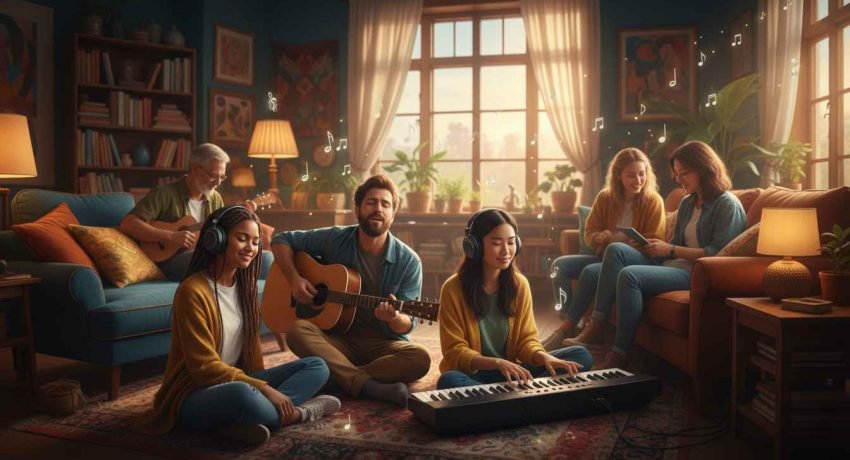
- Music isn’t just sound – it’s a deeply personal experience that drives engagement across all entertainment platforms.
- Streaming services thrive because they design around user behavior, not just content.
- Understanding the emotional triggers behind music consumption is essential for designing memorable UX.
- Social integration and community features significantly increase time spent on platforms.
- Not all music platforms are created equal – poor UX can drive even loyal fans away.
The industry doesn’t want you to know how much our love of music entertainment is being carefully shaped by UX designers. Every interface, every recommendation, every notification is meticulously engineered to keep you listening longer and exploring more deeply. But this isn’t just marketing fluff – it’s behavioral science in action, and understanding it gives us insight into why we connect with music the way we do.
Consider the rise of streaming platforms. These services are designed to feel intuitive, almost invisible. Playlists are curated not only by algorithms but also by human editors who understand the emotional arc of listening. Features like “Discover Weekly” or “Daily Mix” are more than conveniences – they tap into a fundamental human craving: the joy of discovery. This is where Monocle coverage really sheds light on the cultural and business strategies shaping our entertainment habits.
From a UX perspective, music platforms must balance complexity with simplicity. The best services hide advanced functionality behind clean interfaces. Search bars are predictive, recommendations are adaptive, and social sharing is seamlessly integrated. The goal is to make every interaction feel effortless while keeping users engaged. Gamification elements, such as listening streaks or badges, amplify emotional investment and create a sense of progression, making the love of music entertainment feel addictive in a positive sense.
Understanding the Emotional Connection
Music isn’t just heard; it’s felt. Our emotional responses – chills, excitement, nostalgia – are triggered by rhythm, melody, and lyrics, but also by context. UX designers know this and create touchpoints that encourage repeated engagement. Personalized playlists, mood-based recommendations, and cross-device continuity make the experience seamless and emotionally resonant. In short, the design of music platforms isn’t neutral; it actively shapes how we experience and internalize music.
Moreover, the social aspect of music consumption is pivotal. Platforms that allow users to share favorite tracks, collaborate on playlists, or see what friends are listening to create a sense of belonging. This transforms music from a solitary pleasure into a communal ritual. The design of these features directly influences how often users return and how deeply they engage.
Potential Drawbacks
However, not every UX strategy is positive. Over-personalization can create “filter bubbles,” limiting exposure to new genres or artists. Notifications designed to increase engagement can become intrusive, creating fatigue or stress rather than delight. There’s also a risk that algorithmic curation diminishes the serendipity that makes discovering music exciting in the first place. Users with a preference for exploration over structured recommendations may find some platforms frustrating.
In a world where contemporary entertainment often overshadows traditional forms, the preservation of classical arts becomes increasingly vital. These time-honored practices not only enrich our cultural heritage but also serve as a bridge connecting generations. As we delve deeper into the significance of maintaining these art forms, it’s essential to recognize the methods and strategies that ensure their longevity. This is where our guide on classical arts entertainment comes into play, offering insights into the care and maintenance needed to keep these cultural treasures alive. Through proper stewardship, we can cultivate a vibrant cultural landscape that honors the past while inspiring future generations to engage with and appreciate the richness of classical arts.
Who Should Avoid This?
If you’re someone who values complete artistic freedom and dislikes algorithm-driven suggestions, some mainstream music platforms may feel restrictive. Listeners seeking minimal distraction or minimal design intervention might prefer offline or manual curation methods, vinyl records, or radio stations that allow organic discovery rather than structured engagement.
Key Design Lessons from the Love of Music Entertainment
1. Emotional resonance is king: UX should amplify the emotional impact of music rather than obscure it with complexity.
2. Seamless personalization matters: Predictive algorithms and adaptive interfaces keep users engaged, but they must be transparent.
3. Social integration strengthens loyalty: Community features are more than optional – they’re essential for long-term retention.
4. Avoid over-engineering: Notifications and gamification can backfire if they feel manipulative rather than supportive.
5. Context is everything: UX that considers situational usage – commuting, working out, or relaxing – enhances the love of music entertainment.
In conclusion, the love of music entertainment isn’t just about tracks or albums – it’s about the experience crafted around them. Understanding the interplay between emotional triggers, behavioral science, and thoughtful design provides insight into why we are so compelled to keep listening, exploring, and sharing. For students, creators, and aspiring UX designers, this case study demonstrates how careful design can turn a simple act of listening into a lifelong passion.