There is nowhere else on Earth where you can walk between two continents, stand behind a waterfall, and soak in a geothermal lagoon — all in a single day. Iceland’s landscapes feel edited for drama: black beaches, moss-covered lava fields, glacier-fed rivers, and geysers that erupt on schedule. The best places to visit in Iceland cluster along well-worn routes for good reason, but the island rewards travelers who push one stop further than the tour buses. Here is the honest version of where to go.
1. Reykjavik: The Capital Base Camp
Most trips begin in Reykjavik, a small, walkable capital with an outsized cultural scene. Hallgrimskirkja church dominates the skyline and its tower gives the best city overview; the Harpa concert hall’s glass facade is worth a look even without a ticket; and the Sun Voyager sculpture on the waterfront frames the bay at sunset. The city’s geothermal swimming pools — locals’ daily ritual — are a better cultural experience than any museum. Note that the famous Blue Lagoon is not in the city: it sits near Grindavik, about 40 minutes southwest, and works best as a first- or last-day stop near the airport. Book Blue Lagoon tickets well in advance; walk-ins are routinely turned away.
2. The Golden Circle: Iceland in One Loop
The Golden Circle packs three essential sights into a 300-kilometer loop from Reykjavik. Thingvellir National Park is where the North American and Eurasian tectonic plates visibly pull apart — you can literally walk through the rift valley, and the park is also the site of Iceland’s original parliament, founded in 930. The Geysir geothermal area hosts Strokkur, which erupts every 5–10 minutes (its larger neighbor, Great Geysir, is mostly dormant). And Gullfoss, the “Golden Falls,” drops in two tiers into a deep canyon with spray that soaks the viewing paths. Do it as a full day, start early, and you will be back in Reykjavik for dinner.
3. The South Coast: Waterfalls and Black Sand
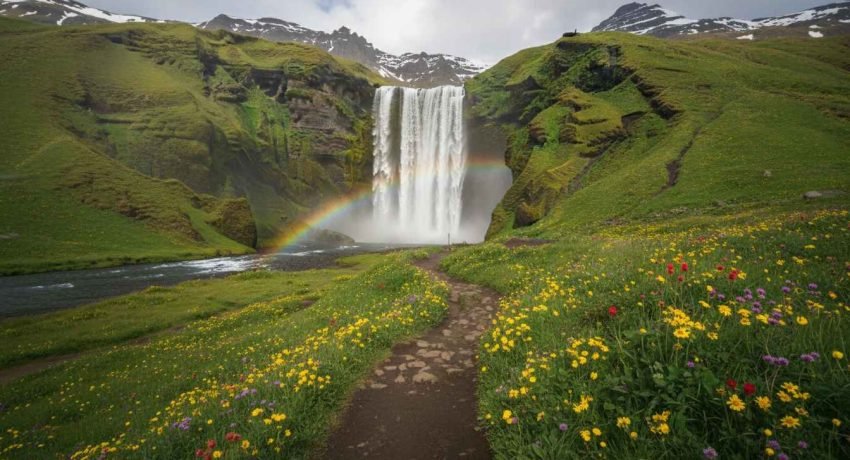
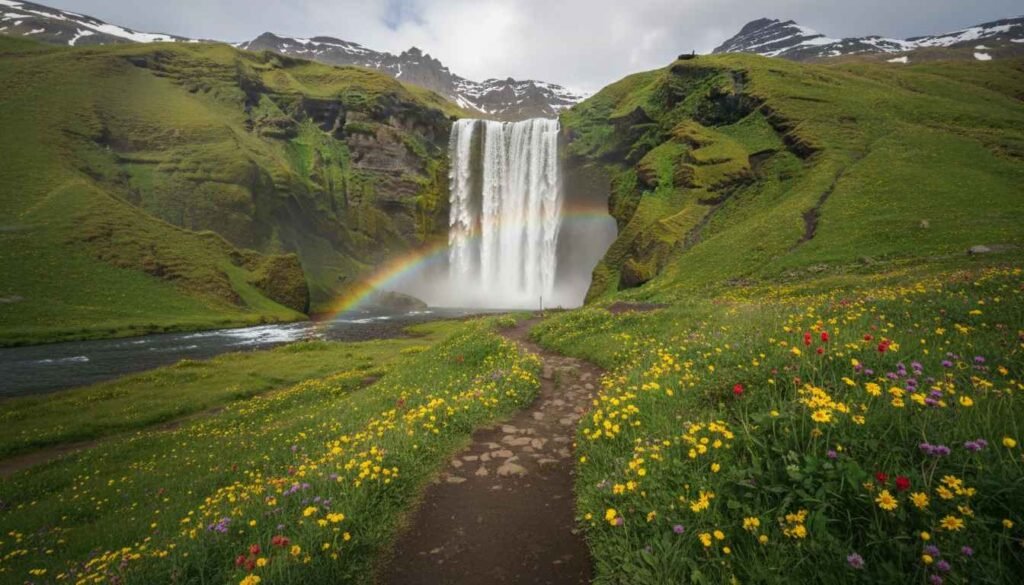
Highway 1 east of Reykjavik runs one of the great road-trip stretches in the world. Seljalandsfoss is the waterfall you can walk behind — bring a rain jacket and go early or late to dodge the midday crowds. A short drive further, Skogafoss drops 60 meters in a single curtain and often wears a rainbow in the spray. Reynisfjara’s black sand beach, with its basalt columns and sea stacks, is hauntingly beautiful and genuinely dangerous: sneaker waves have killed visitors, so stay well back from the waterline and never turn your back on the surf. Near the village of Vik, guided tours onto Solheimajokull glacier let you walk on ancient ice safely with crampons and a guide — never attempt a glacier without one.
4. Beyond the Main Routes: The Westfjords and the North
If the South Coast crowds wear on you, the Westfjords are the antidote: remote fjords, the tiered Dynjandi waterfall, and bird cliffs where puffins nest in summer, all connected by winding gravel roads that demand slow driving. Iceland’s north around Akureyri offers a different flavor — whale watching from Husavik (the country’s whale capital), the geothermal oddities of Lake Myvatn, and the powerful Dettifoss, Europe’s most voluminous waterfall by discharge. These regions need more days and, in winter, serious respect for weather and road conditions.
Planning Your Iceland Trip
When to go: June to August brings the midnight sun, open highland roads, and the warmest weather — but also peak prices and crowds. September offers northern lights plus lingering daylight. November to February is northern-lights season, with short days and winter driving conditions. Many travelers find May and September the sweet spot.
Getting around: Rent a car. Public transport outside Reykjavik is thin, and the freedom to stop at every waterfall is the whole point. Check road conditions at the official road authority site daily, especially outside summer. If you are considering the full loop, read our guide to road tripping the Ring Road in Iceland for route and timing advice.
How long: The Golden Circle plus South Coast needs 3–4 days. The full Ring Road deserves 7–10. Add days for the Westfjords or the north. Whatever your route, build in one buffer day — weather delays are a normal part of traveling in Iceland, not an exception.
FAQs
Is Iceland expensive?
Yes — among Europe’s priciest destinations. Car rental, fuel, and restaurants add up fast. Travelers save meaningfully by booking accommodation early, buying groceries at Bonus or Kronan supermarkets, and choosing hot dogs and bakery lunches over sit-down meals.
Can you see the northern lights in summer?
No — the midnight sun means skies never get dark enough from roughly May to August. For aurora, visit between September and March, get away from city lights, and check the aurora forecast nightly.
Is it safe to drive in Iceland in winter?
It can be, with the right preparation: a 4×4, winter tires, flexible plans, and daily checks of weather and road conditions. If a storm warning is issued, do not drive — wait it out. Many winter visitors split their time between Reykjavik-based day tours and self-driving.
Conclusion
Iceland’s best places earn their reputation — the Golden Circle, the South Coast waterfalls, and the black beaches really are that dramatic. The trick is treating the famous stops as the beginning rather than the whole trip: add one quieter region, respect the weather, and let the island’s scale slow you down. Do that, and Iceland stops feeling like a checklist and starts feeling like the otherworldly place it is.