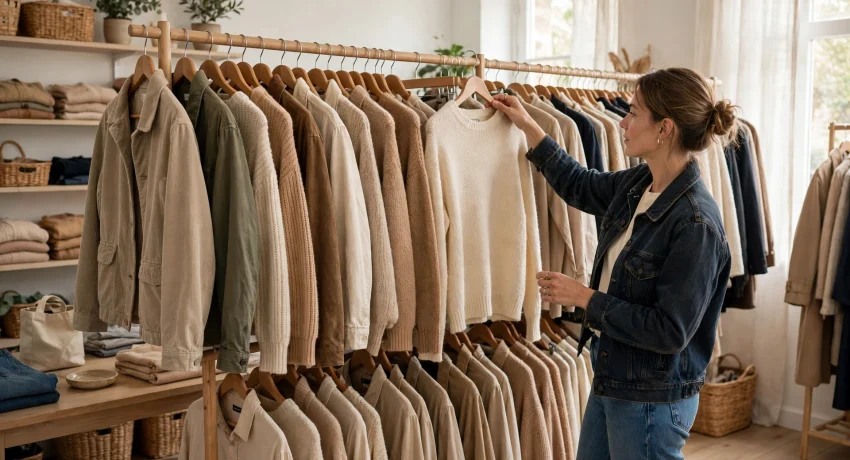
You walk into a thrift shop and the rails stretch in every direction — jackets, knits, dresses, denim, all jumbled together at prices that feel too good to be true. Some of it is treasure. Some of it is the reason the last owner gave it away. The difference between a wardrobe full of gems and a bag of regrets is not luck. It is knowing what quality looks like before you start digging.
These thrift shopping tips will help you find quality clothes every time — the pieces that last, fit well, and look far more expensive than they were.
Why Thrift Shopping Is Worth Doing Well
Thrift shopping is not just about spending less. A well-made coat from ten years ago will usually outlast a brand-new one bought for the same price today, because older garments were often made with better fabric and stronger construction. You also get access to styles and brands that would cost far more new, and every second-hand purchase keeps a usable garment out of landfill.
That said, thrift shops are full of the opposite too: thin, misshapen clothes that were cheap when new and have only got worse with wear. Knowing the difference matters more than knowing where the shop is. If you have ever wondered whether ultra-cheap fast fashion is worth it, thrift shopping offers the other side of that question — the same low price, but with the chance of genuinely good quality hiding in the rails.
Know What Quality Looks Like Before You Shop
Before you touch a rail, fix a few quality markers in your mind. They take seconds to check and save you from most bad buys.
Fabric first. Natural fibres — cotton, wool, linen, silk — generally age better than thin synthetics. Hold the fabric up to the light: if you can almost see through a supposedly sturdy shirt, it will not survive many washes. A good wool jumper feels dense and springy; a good cotton shirt feels smooth and substantial, not papery.
Check the label. The care label tells you the fibre content and the brand. A familiar quality brand is a good sign, but the label is not the whole story — plenty of unknown brands made excellent clothes, and plenty of famous names made cheap lines. Use the label as a clue, not a verdict.
Look at the construction. Turn a seam inside out. Straight, even stitching with no loose threads means the garment was made properly. Seams that pull apart at the slightest tug, or hems held together with glue rather than stitching, are warning signs.
The 10-Second Quality Check
Use this quick routine on every piece before it goes into your basket:
- Hold it up. Does it hang straight, or does it twist and sag? A garment that has lost its shape rarely regains it.
- Feel the fabric. Is it soft, dense and even? Pilling, thinning or a rough, scratchy hand feel are signs of heavy wear.
- Check the seams and hems. Look for fraying, loose stitching and pulled threads, especially at the armpits and pockets.
- Test the fastenings. Zip the zip, button the buttons, check the clasps. A broken zip on an otherwise perfect jacket is a repair bill, not a bargain.
- Look for stains and smells. Check under the arms, around the collar and cuffs, and down the front. Some stains wash out; yellowed underarms and set-in marks usually do not.
- Check for moth damage. Tiny holes in wool and cashmere are the classic thrift-shop heartbreak — hold knits up to the light before buying.
If a piece passes all six checks, it is worth trying on. If it fails two or more, put it back — no matter how cheap it is.
Where to Look First in the Shop
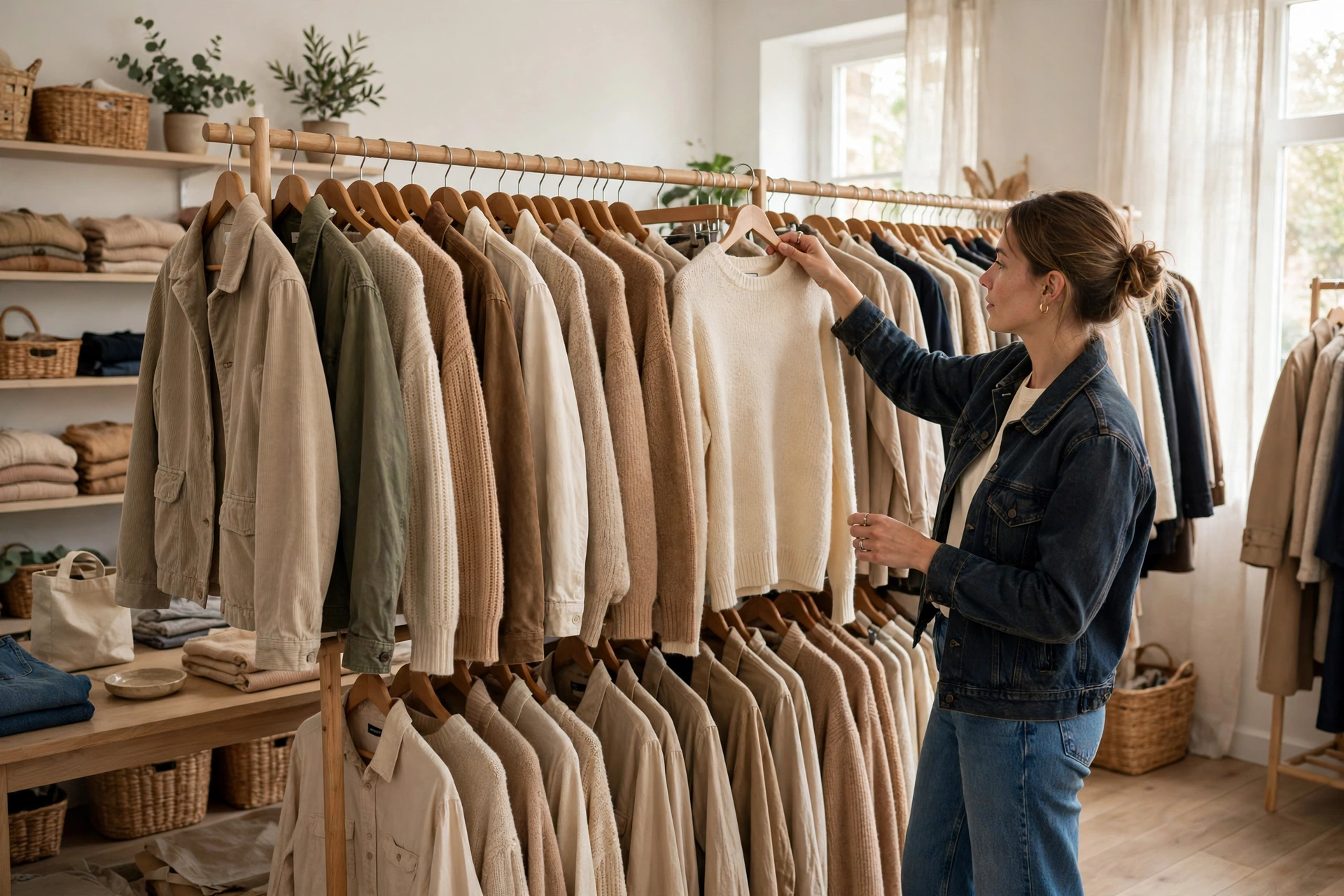
Thrift shops reward a system. Start in the section you actually need — if you came for a winter coat, do not spend forty minutes in the dress rail first. Work through one rail at a time, moving the hangers along and scanning for fabric and colour before pulling anything out.
Do not ignore the less glamorous corners. The men’s section often hides oversized shirts and quality knitwear that work perfectly as relaxed fits, and the homeware or accessories area sometimes holds leather belts and scarves in far better condition than the clothing rails. Check the new-arrivals rail first if the shop has one — the best pieces are usually picked within days of being put out.
Timing helps too. Weekday mornings are quieter, the rails are tidier, and staff have often just restocked. If you visit the same shop regularly, you will start to learn its restocking rhythm — and regulars always find the best pieces.
Try It On — and Inspect Like a Detective
Never buy without trying a piece on, even if the size on the label looks right. Vintage sizing runs differently from modern sizing, and brands vary wildly. A medium from one decade is not a medium from another.
When you try something on, sit down in it, raise your arms, and walk a few steps. Clothes that look fine standing still can pull, gape or ride up the moment you move. Check the fit in the areas that matter most: shoulders that sit in the right place, a waistband that does not dig in, and sleeves that reach your wrists.
Then inspect it once more under the shop’s brighter light. Some stains only show up in daylight, so if you are unsure about a piece, hold it near a window or step outside the fitting room before deciding.
Build a Thrift List, Not a Thrift Pile
The biggest thrift-shopping mistake is buying things because they are cheap rather than because you need them. A five-dollar shirt you never wear costs more than a fifty-dollar shirt you wear weekly. Before you go, write down the three or four gaps in your wardrobe — a navy blazer, a warm knit, a pair of dark jeans — and hunt for those first.
That list works best when it connects to a plan for your wardrobe as a whole. Thrift finds are at their best when each piece works with several things you already own, which is exactly how a capsule wardrobe built for every season works — a small set of versatile pieces that mix and match, with thrifted items filling the gaps at a fraction of retail price.
Apply a simple rule at the till: if a piece matches at least three things already in your wardrobe, buy it. If it only matches one outfit — or nothing at all — leave it on the rail for someone else.
Care for Your Second-Hand Finds
Quality thrift finds deserve proper care when they get home. Wash everything before wearing it, following the care label — a gentle cycle or hand wash for wool and silk, and a normal wash for sturdy cotton and denim. A good wash also removes the musty charity-shop smell that puts many people off second-hand clothes.
Small repairs are worth learning. A loose button, a dropped hem or a small hole in a seam takes minutes to fix and turns a good find into a favourite piece. For anything bigger — a broken zip, a lining repair, a coat that needs reshaping — a local tailor will usually charge far less than the cost of the equivalent new garment.
Store your finds properly too: knitwear folded rather than hung, jackets on proper hangers, and delicate items kept out of direct sunlight. Good clothes last for years when they are looked after — that is half the reason they were worth buying second-hand in the first place.
FAQ: Thrift Shopping for Quality Clothes
How can you tell if a thrifted item is good quality?
Check the fabric first — dense natural fibres, even stitching, working zips and buttons, and no stains, holes or pilling. A piece that passes a quick ten-second check and fits well when tried on is usually a safe buy.
Is it safe to buy second-hand clothes?
Yes, as long as you wash them before wearing. A proper wash following the care label removes dust, odours and anything left over from previous wear. Inspect for stains and damage before you buy, and skip anything you cannot clean or repair.
What should you avoid buying second-hand?
Avoid swimwear and underwear for hygiene reasons, shoes with heavily worn soles or collapsed heels, and anything with set-in stains, moth holes or broken zips you cannot repair cheaply. Coats, knitwear, shirts, dresses and jeans are usually the best thrift buys.
Final Thoughts
Thrift shopping rewards patience and a trained eye. Learn what good fabric and solid construction feel like, check every piece before it reaches the till, and shop with a list instead of impulse. Do that, and the rails stop being a gamble — they become the cheapest way to build a wardrobe full of clothes that actually last.