Step back from the daily news and a bigger picture comes into view. The world is changing in ways that are slower than headlines but deeper than any single event: how we work, how we power our lives, where we live, and how long we live. Tracking the worldwide shifts that define the future of humanity is not about predicting the future — it is about noticing the currents already moving beneath the surface, and understanding what they might mean for ordinary life.
Technology Reshaping Work
The most visible shift of recent years is the spread of digital technology into almost every job. Automation now handles routine tasks in factories, offices, and warehouses, while artificial intelligence assists with writing, analysis, design, and customer service. For workers, this means some roles change, some disappear, and new ones appear — often requiring different skills from the ones that came before.
At the same time, remote and hybrid work have changed where work happens. For many office workers, the daily commute is no longer a given, and towns and villages far from big cities have gained new residents. This shift is uneven — many jobs cannot be done remotely — but it has already reshaped housing, transport, and the daily rhythm of millions of lives.
The Energy Transition
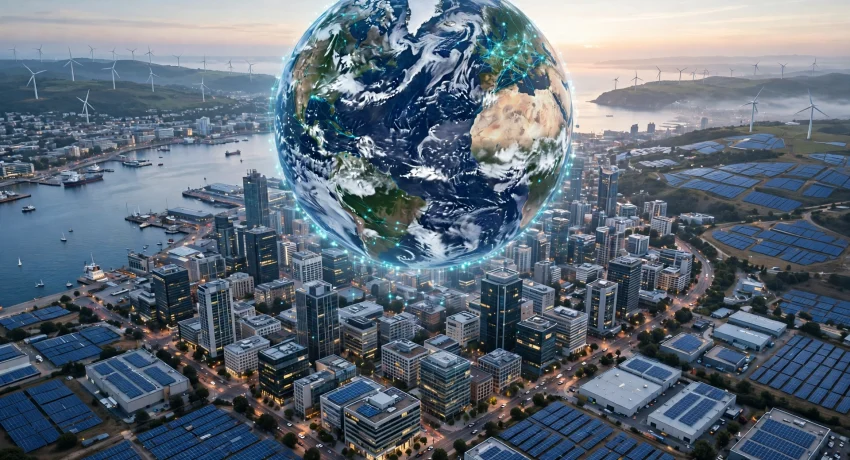
A second great shift is how the world produces energy. Wind, solar, batteries, and electric vehicles have grown from small niches into major industries, driven by falling costs, government policy, and concern about climate change. The transition is not smooth: energy systems are vast, expensive, and deeply connected to everyday life, so change brings disruption as well as opportunity.
For ordinary households, this shift shows up gradually — in electricity bills, in the cars on the road, in the insulation of homes, and in the jobs available in their region. Its pace will vary by country and by community, but its direction is one of the defining stories of this century.
Cities, Ageing, and Population Change
Where people live is changing too. More of humanity now lives in cities than in the countryside, and large cities in Asia and Africa are growing fastest. Urban life brings opportunity, services, and culture, but also pressure on housing, transport, and infrastructure — challenges that will shape politics and planning for decades.
Meanwhile, many countries are ageing. People are living longer, and birth rates have fallen in much of the world, which means older populations and smaller workforces relative to retirees. This shift affects pensions, healthcare, housing, and family life, and it is already prompting debates about retirement ages, care services, and immigration in countries around the world.
Health and Longer Lives
Medical progress continues to extend and improve lives. Better treatments, earlier diagnosis, and wider access to care mean that conditions once fatal can now be managed, and people live longer with chronic illness than previous generations did. Digital health tools — from appointment apps to remote monitoring — are changing how care is delivered, especially in rural areas.
These gains are not shared equally. Access to healthcare still depends heavily on where you live and what you can afford, and the gap between the best and worst care remains one of the world’s great inequalities. Closing it is likely to be a central challenge of the coming decades.
A More Connected, More Divided World
The internet has connected humanity in ways previous generations could not have imagined. Ideas, goods, and cultures travel instantly, and a small business can sell to customers on the other side of the world. Yet connection has not always brought agreement. The same networks that spread knowledge also spread misinformation, and debates about privacy, free speech, and the power of large technology companies now shape politics in many countries.
How societies handle this tension — between openness and safety, between global connection and local identity — will define much of the future. It is a question without a simple answer, and one that every country is answering differently.
What These Shifts Mean for Ordinary Life
It is easy to feel small beside shifts this large. But they play out in practical choices: learning a new skill, insulating a home, choosing where to live, caring for ageing parents, or deciding how much of life to live online. None of these decisions requires predicting the future. They require paying attention to the direction of change, and adapting a step at a time.
For a daily view of how these stories unfold, World Headlines Delivering Key Insights from Every Continent Daily follows events across the globe, and Explore the Events Transforming Nations, Cultures, and Global Relations looks at the events behind the headlines.
FAQs
Can anyone really predict the future?
No. Trends can be observed and their direction understood, but surprises — new technologies, crises, political changes — regularly redirect them. The value of tracking shifts is preparation, not prediction.
Which shift matters most?
It depends on where you live and what you do. For some, the energy transition matters most; for others, ageing, automation, or urbanisation. The shifts are connected, and they reinforce each other.
How should individuals respond to such large changes?
By staying adaptable: keep learning, keep options open, and make practical decisions one step at a time rather than trying to plan for every possibility at once.
Final Thoughts
The future of humanity will not arrive all at once. It will arrive in small changes — a new way of working, a different kind of car, a longer life, a city that looks different from the one you grew up in. Noticing those changes as they happen, and understanding what connects them, is the best preparation any of us has for a world that will not stand still.