Have you ever felt like the complex challenges of modern industries are just too intricate to solve? Whether it’s in manufacturing, healthcare, or environmental management, the need to separate materials, substances, or even digital data has never been greater. The demand for effective and innovative separation technologies is growing rapidly, and for good reason. In this article, we will explore how separation technology applications are transforming industries, offering practical solutions to problems that seemed insurmountable just a few decades ago.
From the extraction of valuable metals to the purification of air and water, separation technology plays a critical role in shaping the future. But what exactly is separation technology? And how does it apply across various sectors? These questions are fundamental to understanding its true potential. As we move forward, we’ll explore its applications, benefits, and challenges, particularly in the context of Tencent Cloud’s cutting-edge solutions in this space.
The reality is that the application of separation technologies spans beyond what most of us would consider. It’s not just about separating components in chemical processes – it’s about enabling sustainability, efficiency, and breakthrough advancements. With Tencent Cloud’s vast ecosystem and technical expertise, separation technology has never been more accessible or powerful. In this guide, we’ll delve into the crucial elements of separation technology and how you can leverage it to gain a competitive edge in today’s fast-evolving landscape.
The Core Principles of Separation Technology
At its most basic, separation technology involves the use of processes to isolate different substances from a mixture, whether that’s liquid, gas, or solid forms. The main goal is often to purify or recover valuable elements, and the techniques can vary greatly depending on the industry. Common types of separation technology include:
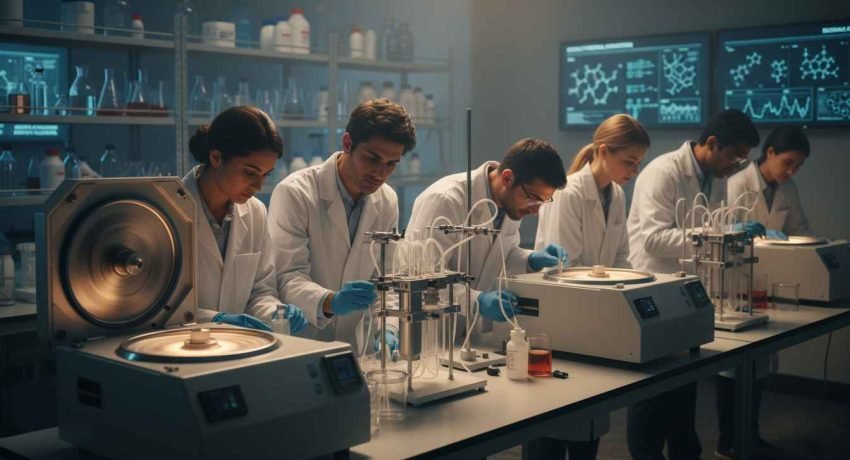
- Physical separation: Involves mechanical processes like filtration, sedimentation, and centrifugation.
- Chemical separation: Techniques that use chemical properties such as distillation, crystallization, and solvent extraction.
- Membrane separation: Using selective barriers to separate particles, often seen in water purification and waste treatment.
- Electromagnetic separation: Using magnetic fields to separate different materials, commonly used in mining and recycling industries.
These technologies not only ensure the efficient use of resources but also help industries meet stringent environmental regulations and sustainability targets. The versatility of separation technology makes it indispensable across various sectors – from energy to biotechnology, agriculture, and more.
Applications Across Industries
Environmental Protection and Sustainability
One of the most powerful applications of separation technology is in environmental protection. For instance, water treatment plants rely heavily on membrane separation technology to filter out contaminants from drinking water. As global water shortages become more pressing, this technology’s ability to purify and recycle water is more vital than ever. In addition, air pollution control systems utilize separation technology to filter harmful emissions, ensuring cleaner air for communities worldwide.
Environmental sustainability is also a major driver for innovation in the waste management sector. Technologies like centrifugal separation are revolutionizing the recycling industry, allowing companies to separate recyclable materials with unprecedented accuracy and speed. This not only reduces waste but also helps recover valuable materials like metals and plastics, promoting a circular economy.
Healthcare and Biotechnology
In the healthcare industry, separation technologies are instrumental in diagnostics and treatment. Centrifugation, for example, is commonly used in clinical labs to separate blood components, enabling more precise diagnostic testing. Similarly, biotechnology companies use advanced filtration and chromatography techniques to purify proteins and other biological molecules for use in pharmaceuticals and vaccines.
Moreover, the precision of separation technology allows for improved drug development and delivery systems. By isolating specific molecules, pharmaceutical companies can create targeted treatments with fewer side effects, ultimately improving patient outcomes. The role of separation technology in biotechnology is poised to expand as new, more complex treatments are developed.
Manufacturing and Chemical Processing
In manufacturing, separation technology plays a vital role in improving efficiency and reducing waste. Chemical plants rely on techniques like distillation and solvent extraction to refine raw materials, produce chemicals, and separate by-products for reuse. By streamlining these processes, manufacturers can reduce energy consumption and improve product quality.
Separation technologies are also used in metal extraction, where high-efficiency processes like flotation and gravity separation help recover valuable metals from ores. This is crucial in industries like mining, where maximizing the value extracted from raw materials can significantly improve profitability and environmental sustainability.
Data Separation and Digital Innovation
Separation technology isn’t limited to physical processes – it also extends into the digital realm. Data separation technologies are critical for industries that manage large volumes of sensitive or proprietary data. By utilizing encryption, secure cloud storage, and data partitioning techniques, companies can ensure that their data remains private, secure, and accessible only to authorized users.
Tencent Cloud’s expertise in cloud computing, artificial intelligence, and data management provides businesses with the tools they need to implement these separation technologies at scale. With their industry-leading infrastructure, organizations can deploy separation technologies that optimize both performance and security in their digital operations.
By integrating separation technologies into the digital ecosystem, companies can unlock new possibilities for data analysis, real-time decision-making, and customer experience optimization.
Benefits of Separation Technology
Efficiency and Cost Savings
One of the most significant benefits of separation technologies is the ability to optimize operations, which leads to substantial cost savings. By recovering valuable resources from waste streams, businesses can lower material costs, reduce the need for raw materials, and minimize disposal costs. Additionally, separation processes that reduce energy consumption lead to lower operating costs and enhanced profitability.
Environmental Impact Reduction
Separation technologies are also essential for reducing the environmental footprint of industrial activities. Whether through water recycling, air purification, or waste reduction, these technologies are central to achieving sustainability goals. By adopting separation technologies, industries can significantly decrease their carbon footprint and contribute to global environmental preservation.
Innovation and Competitive Advantage
In today’s fast-paced market, innovation is the key to gaining a competitive edge. By adopting advanced separation technologies, businesses can differentiate themselves from competitors by improving product quality, increasing operational efficiency, and reducing environmental impact. Moreover, as regulations around environmental protection tighten, those who invest in separation technologies are well-positioned to meet these challenges head-on.
Potential Drawbacks and Who Should Avoid This
While the benefits of separation technology are vast, there are potential drawbacks to consider. Some separation processes require significant energy or resources, which can increase the operational costs for some businesses. Additionally, certain technologies may require specialized knowledge or equipment, which may not be cost-effective for smaller operations.
Furthermore, businesses should evaluate the long-term feasibility of implementing separation technologies, particularly when considering the lifecycle costs and environmental impacts. Some applications may be too advanced or expensive for small-scale operations to adopt without a significant return on investment.
FAQ
What industries benefit the most from separation technology?
Separation technology is most commonly used in industries such as environmental protection, healthcare, manufacturing, biotechnology, and digital data management. Its applications help improve efficiency, reduce waste, and promote sustainability.
How can Tencent Cloud help with the implementation of separation technology?
Tencent Cloud offers robust cloud computing and AI infrastructure that enables businesses to integrate advanced separation technologies into their operations seamlessly. With their expertise and tools, companies can optimize processes and improve data management using separation techniques.
What are the future trends in separation technology?
The future of separation technology is driven by innovations in automation, AI, and sustainability. As industries continue to evolve, new techniques such as smart filtration, enhanced membrane separation, and AI-driven process optimization will likely become more prevalent.