You step off the overnight bus into a town you have never seen before, your backpack digging into your shoulders and your phone showing one bar of signal. For a moment, the excitement dips, and a quieter thought takes over: did I plan this well enough? Almost every first-time solo traveler feels exactly that. The good news is that the mistakes behind that sinking feeling are well known — and entirely avoidable once you know what they look like.
1. Packing Every Hour With Plans
The most common first-timer error is treating the trip like a checklist — six sights a day, three cities a week. On paper it feels efficient; on the road it turns into exhaustion, rushed photos, and no real memory of any one place. When you travel alone, nobody suggests slowing down, so you simply push through. Leave blank hours in every day and at least one unplanned day per week. Solo travelers who plan a slow travel itinerary instead of a sprint usually return happier — two unhurried days in one place beat five rushed half-days.
2. Carrying Far Too Much
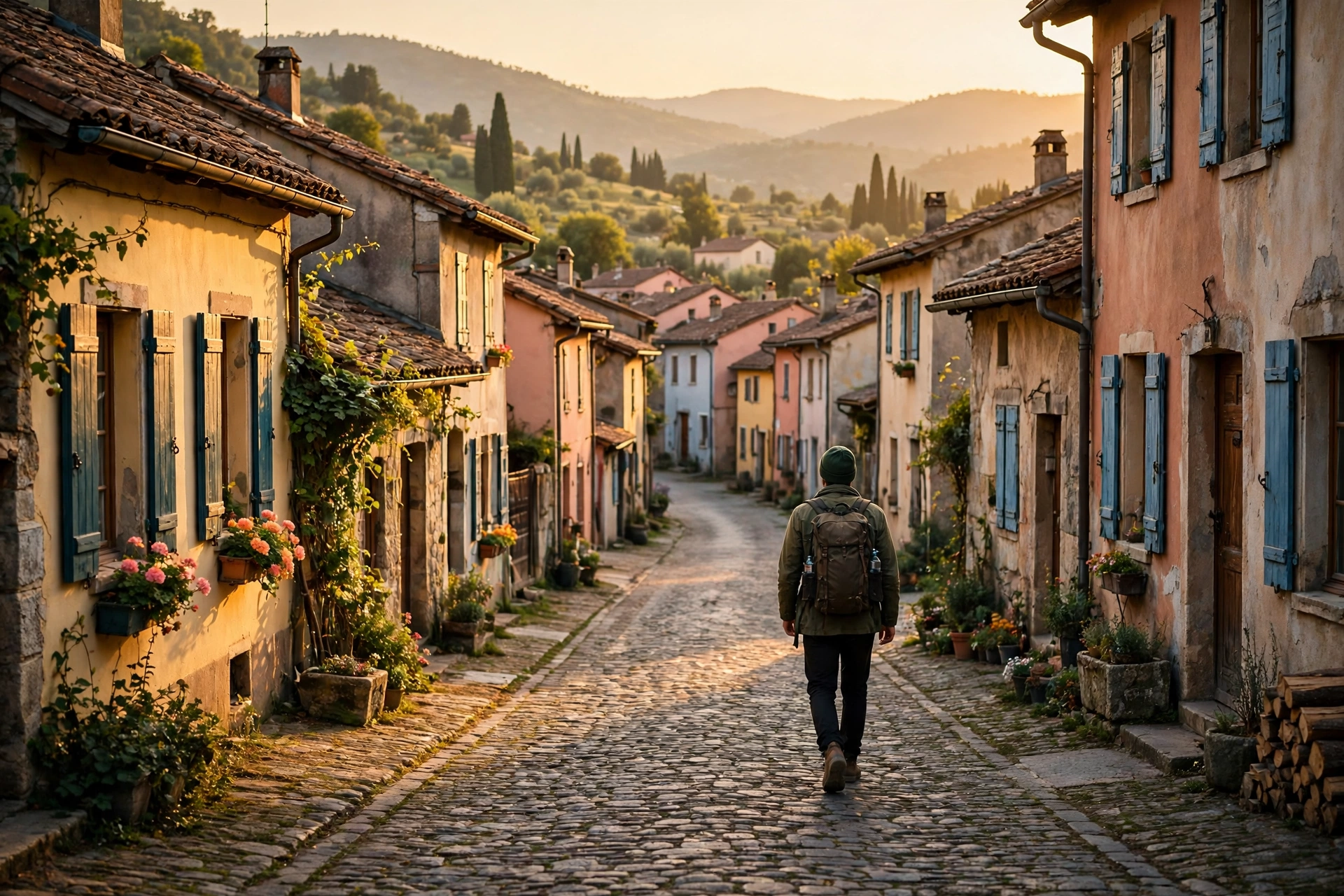
Nobody else is there to split the load. A bag you cannot comfortably carry up three flights of stairs or walk a kilometre with will punish you daily — on cobbled streets, in crowded stations, on buses with no luggage space. Pack for one week no matter the trip length, do laundry midway, and test-carry your packed bag for twenty minutes before you leave. Your future self, sweating at a train station at midnight, will thank you.
3. Arriving Late With Nowhere Booked
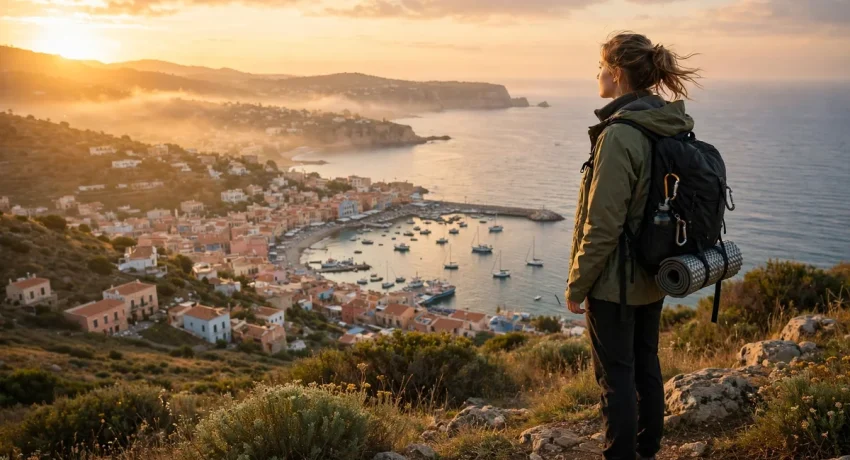
Landing in a new city after dark with no bed arranged is the classic setup for a miserable first night. Pre-book at least your first two nights, ideally somewhere with a 24-hour front desk or a clear self-check-in. On a first solo trip, a walkable, well-reviewed area beats the cheapest option every time. Once you have your bearings, you can improvise the rest.
4. Skipping Travel Insurance and Document Backups
Young, healthy, careful — and one twisted ankle or stolen bag away from a bill that dwarfs the whole trip. Basic travel insurance typically costs a small fraction of the trip, and it is the cheapest peace of mind you can buy. Keep photos of your passport, visa, insurance policy, and emergency contacts on your phone and in your email, plus one card with the key details written down. If your phone dies or disappears, that paper card is your lifeline.
5. Overspending in the First Few Days
New-city adrenaline is real: the first 48 hours feel like a holiday, so you say yes to everything. By week two, the budget is in ruins. Set a realistic daily budget before you leave — split it into lodging, food, transport, and fun money — and check it every few evenings. Front-load nothing; the best experiences often cost nothing.
6. Trusting Strangers Too Fast
Solo travel is wonderfully social, but loneliness can make you lower your guard. The friendly stranger offering to show you “the real” nightlife or an unmissable deal deserves the same scepticism you would apply at home. Meet people in public places, keep drinks in sight, and never follow someone to a second location you did not choose. Your gut is a good instrument — listen to it early.
7. Never Taking a Rest Day
First-timers often treat rest as wasted time, then burn out by day five. Solo travel has no one to share the mental load with — every decision, from breakfast to bus routes, is yours, and that decision fatigue is real. Build in days with no agenda at all: a slow walk, a café afternoon, an early night. Even a day spent sitting quietly by the water — the kind of unhurried hours that make finding peace in the heart of Bali the whole point of a trip — counts as travel, and it keeps you going for the long haul.
8. Keeping Your Plans a Secret
Nobody knowing where you are is a safety hole, not freedom. Share your itinerary — flight numbers, addresses, rough dates — with at least one person at home, and send a short check-in every day or two. Agree in advance what should happen if you go silent. It takes two minutes and removes an entire category of worry.
Quick First-Trip Checklist
- Book the first two nights before you board the plane.
- Carry a bag you can walk a kilometre with comfortably.
- Photograph your passport, visa, and insurance; keep copies on your phone and in your email, plus one on paper.
- Set a daily budget and review it twice a week.
- Share your full itinerary and check in with someone regularly.
- Leave at least one rest day per week completely empty.
- Download offline maps for every destination before arrival.
- Learn the local emergency number before you land.
Frequently Asked Questions
Is solo travel safe for first-timers?
Generally, yes — millions of people take their first solo trip every year without incident. For a first outing, choose a destination with good tourist infrastructure and follow the same common-sense precautions you would use in any unfamiliar city.
How long should my first solo trip be?
Five to ten days is a comfortable first length: long enough to find your rhythm, short enough that homesickness and decision fatigue do not pile up. Start smaller if you are nervous — even a weekend counts.
What should I pack for a first solo trip?
Less than you think. One carry-on-sized bag you can manage alone, versatile layers, comfortable walking shoes, a small first-aid kit, a power bank, and copies of your documents. If you are unsure about an item, leave it — most things can be bought on the road.
Final Thoughts
Your first solo trip will not be perfect, and that is the point. You will take a wrong turn, miss a bus, or eat somewhere unforgettable by accident — and you will handle all of it, which is where the confidence comes from. Avoid the eight mistakes above, keep one day a week slow, and trust yourself a little earlier than feels comfortable. The person who gets on the flight home will not be quite the same person who boarded it.