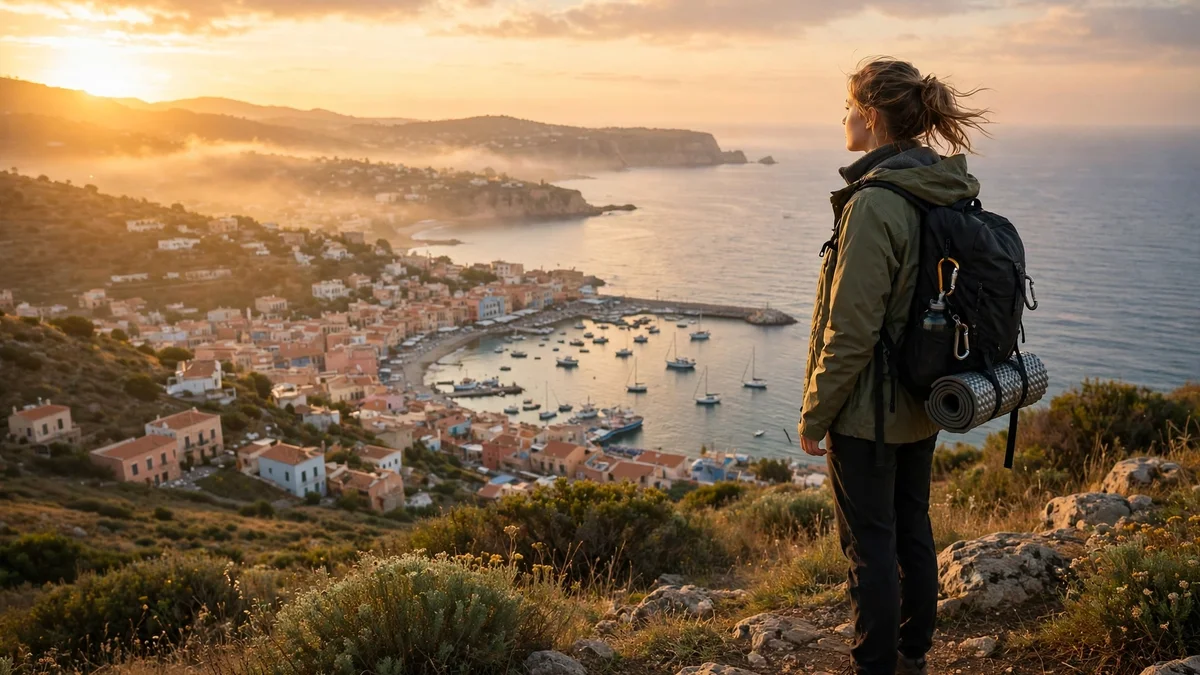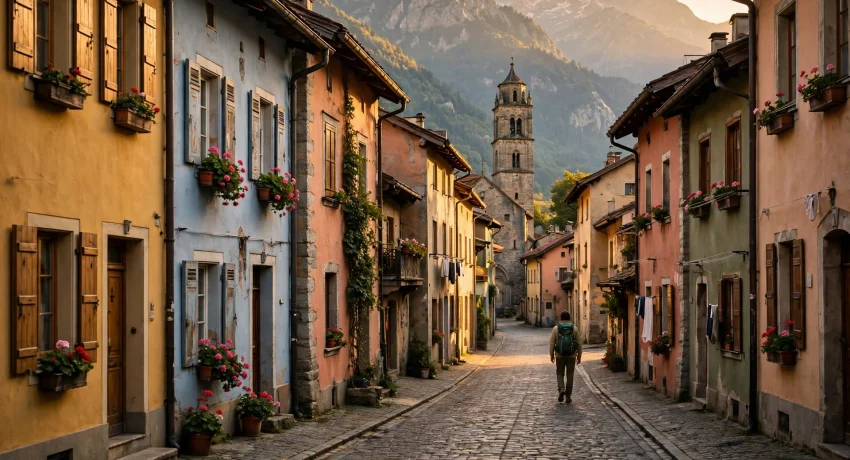
You step off the train, and the noise of the city is suddenly gone. There is no long queue in front of you, no crowd pushing toward the same famous viewpoint. Instead, there is a narrow street, the smell of fresh bread from a small bakery, and a church bell ringing somewhere above the rooftops. That is the feeling these hidden gem towns in Europe still offer — and it is exactly why they are worth building a trip around.
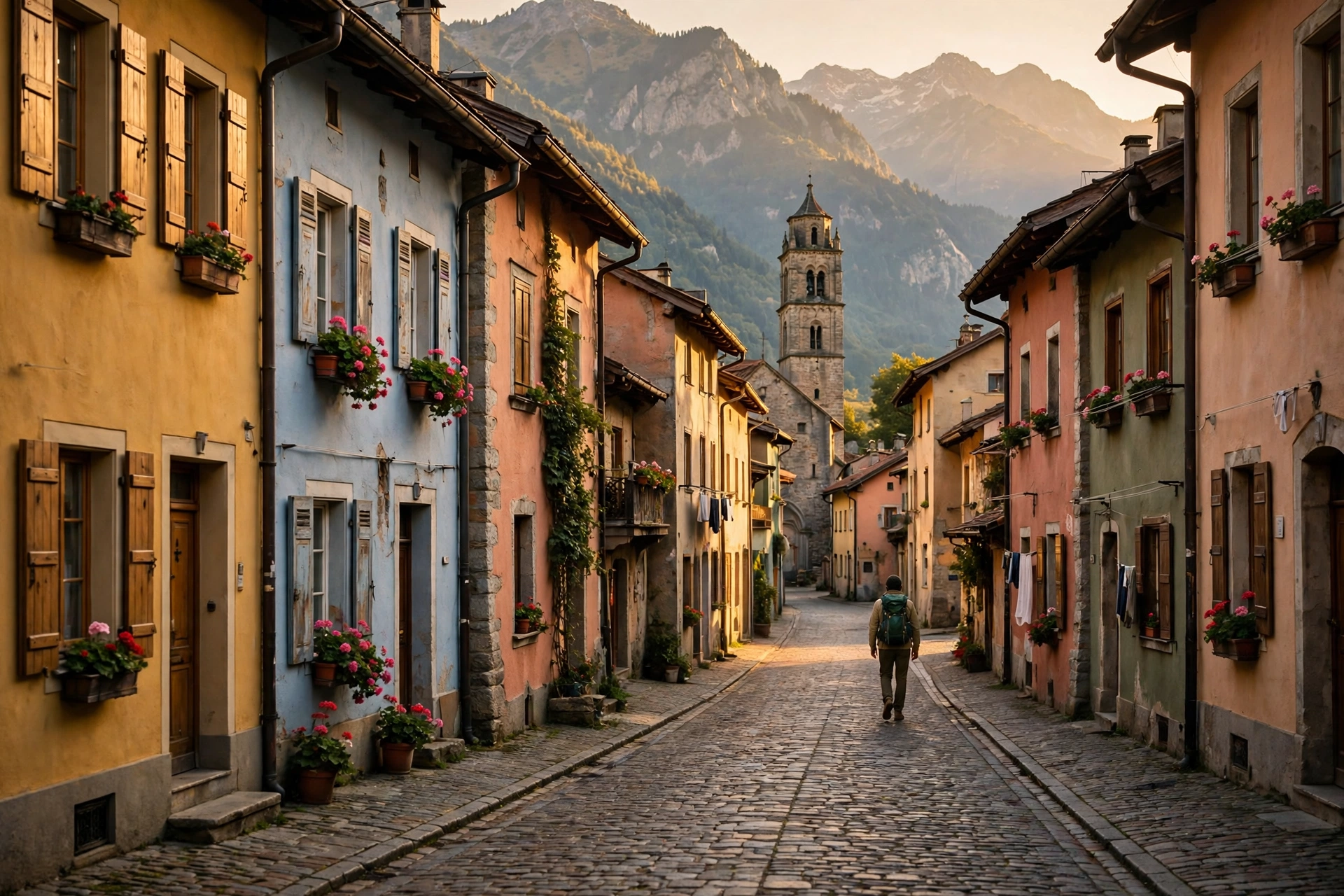
A hidden gem is not simply a place you have never heard of. It is a town small enough to explore on foot, with a centre that still feels lived in: local shops, family-run places to eat, and streets where residents outnumber tour groups. The seven towns below fit that description. They are spread across the continent, so you can pick one for a short break or link two or three together for a slower journey.
What Makes a Town a Real Hidden Gem?
A town earns a place here when it offers something you can actually do, not just photograph: a walkable old centre, a local food tradition, a viewpoint or waterside walk, and a reason to stay overnight rather than rush through in an hour. The towns below still reward slowing down — arriving in the late afternoon, sleeping there, and waking up before the day-trippers arrive is often the best way to enjoy them.
Seven Hidden Gem Towns in Europe Worth Visiting
1. Albarracín, Spain
Set on a rocky hill in Aragón, Albarracín is a maze of pink-hued houses, steep lanes, and old walls that look out over the surrounding countryside. Walk up to the viewpoints, wander without a fixed route, and stop for a long lunch in a small local restaurant. Stay overnight if you can, when the evening light softens the stone and the streets grow quiet.
2. Eguisheim, France
In the Alsace wine region, Eguisheim is built around concentric, circular streets lined with timber-framed houses and flower boxes. It is a wine village first and a postcard second, so tasting rooms and small producers are part of the everyday rhythm here. Walk the full circle of the old village, try a glass of local white wine if you enjoy it, and use the town as a base for gentle walks among the nearby vineyards.
3. Monsanto, Portugal
Monsanto is famous for its giant granite boulders, which sit among — and sometimes on top of — the village houses. Narrow lanes wind between rock and stone, and the views from the top stretch across the surrounding hills. Wear comfortable shoes, because the village is steep in places, and give yourself time to climb slowly rather than hurrying to the highest point.
4. Civita di Bagnoregio, Italy
Reached on foot across a long pedestrian bridge, Civita di Bagnoregio feels set apart from the world below it. Its small hilltop centre has narrow lanes, stone houses, and quiet viewpoints over the valley. Arrive early or late in the day, walk slowly, and eat in one of its small restaurants. It works best as a pause inside a wider Italian trip, not as a rushed stop between two bigger cities.
5. Giethoorn, Netherlands
Often called a village of waterways, Giethoorn is a place where canals, small bridges, and thatched-roof houses shape daily life. Many visitors explore by boat, which gives you a completely different view of the village than walking does. If you go, choose a quieter time of day, keep noise down on the water, and respect that people live in the houses you are passing.
6. Telč, Czech Republic
Telč has one of the most beautiful town squares in Central Europe: long rows of colourful Renaissance and Baroque houses frame a spacious, open square, with a chateau at one end and ponds nearby. It is compact, easy to walk, and far less crowded than Prague or Český Krumlov. Spend time in the square itself, walk around the ponds, and visit the chateau if you enjoy historic interiors.
7. Piran, Slovenia
On Slovenia’s short Adriatic coast, Piran is a small seaside town of narrow streets, Venetian-style architecture, and a harbour where fishing boats still bob beside cafes. Walk up to the town walls for views over the rooftops and the sea, and eat seafood in a harbourside restaurant in the evening. Staying overnight lets you enjoy the harbour after the day visitors have left — when the town feels most like itself.
How to Plan a Trip Around Small Towns
Small towns reward a different kind of planning than big cities. Instead of filling every hour, pick one town as your base and add only one or two nearby stops. Check how you will actually arrive before you book anything: some towns are easy by train, others need a bus or a short drive from the nearest station, and timetables in rural areas can be less frequent than you expect.
It also helps to plan a slow travel itinerary rather than a packed one. Leave unscheduled time for a long lunch, a wrong turn down an interesting lane, or a second walk at sunset. If Iberia appeals to you, you can also browse places to visit in Spain and Portugal to see how Albarracín or Monsanto might fit into a wider route. Small towns are forgiving places to travel slowly — there is no pressure to see everything, because the town itself is the attraction.
When to Go
Late spring and early autumn are usually the sweetest times for these towns: the weather is pleasant for walking, daylight lasts longer, and visitor numbers are lower than in peak summer. Summer brings longer days and livelier squares, but also more visitors and higher accommodation demand, so book earlier if you travel then. Winter can be quiet and atmospheric, especially in the southern towns — if you are considering a cold-season trip, it is worth checking warm places to visit in winter in Europe for ideas that suit the season. Whatever time you choose, check local opening hours before you go, as small museums, restaurants, and transport services may run reduced hours outside peak season.
Frequently Asked Questions
Do I need a car to visit these towns?
Not always, but it depends on the town. Some are reachable by train or bus, while others are much easier with a car, especially in rural Spain, Portugal, or the Czech Republic. Check the route from the nearest larger town before you decide, and remember that once you arrive, you will explore almost everywhere on foot.
How many days should I spend in a small town?
One night is usually enough for the smallest villages, such as Civita di Bagnoregio, while larger towns like Piran or Telč can easily fill two days. If you have the time, two nights in one place beats one night in two places — you will see the town in the morning and evening, when it is at its quietest.
Are hidden gem towns good for a first trip to Europe?
Yes, if you like a slower pace. They are less overwhelming than major capitals, easier to navigate, and often more affordable. Many first-time visitors enjoy combining one famous city with one small town, so you get both the headline sights and the quieter, more personal side of Europe.
Final Thoughts
The best hidden gem towns in Europe are not hidden because they are hard to find — they are hidden because most travellers hurry past them on the way to somewhere bigger. Slow down, stay overnight, eat where the locals eat, and let one small town be enough for a day. You will come home with fewer photographs of famous landmarks, and far better memories of the places themselves.