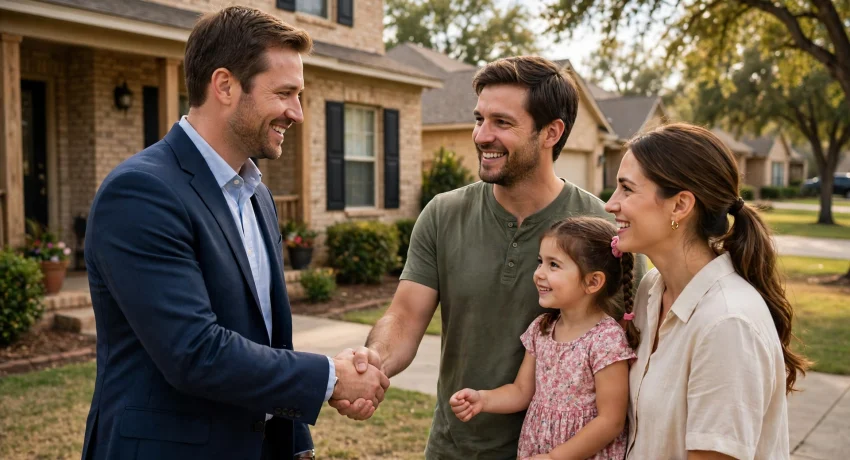

You live in or near New Caney, Texas, and you want insurance that actually fits your life: a home that can face Gulf Coast storms, cars on busy commuter roads, maybe a small business you have built yourself. A local independent insurance agency can be the right place to sort that out — not because local is automatically better, but because a good local agent knows the risks of this specific area, can compare quotes from several carriers, and is reachable when a claim goes wrong. This guide explains what a New Caney insurance agency can help you with, what cover to think about, and how to judge whether you are getting a good deal.
Why a Local Independent Agency Can Help
An independent agency is not tied to a single insurance company. Instead of offering one carrier’s products, it can compare policies from several carriers and match cover to your situation. That matters when your needs do not fit a standard template — a home with an older roof, a teenage driver, a home business, or a property near a floodplain, for example.
Local knowledge matters in this area too. Agents who work in the New Caney and greater Houston region deal every day with the risks that shape premiums here: severe thunderstorms, hail, hurricanes and flooding, plus the traffic patterns of the US-59 corridor. They know which questions to ask about your property — roof age and material, elevation, prior claims — because those details change both the price and whether a claim will be paid.
Homeowners and Property Cover: What to Check
A standard homeowners policy typically covers your home’s structure, your belongings and your liability if someone is injured on your property, against risks such as fire, theft and storm damage. But the details decide everything. Check the following on your declarations page:
- Replacement cost vs. actual cash value: replacement cost pays to rebuild or replace at today’s prices; actual cash value deducts for age and wear. The difference after a major loss can be very large.
- Wind and hail deductibles: in Texas, these are often percentage-based rather than a flat amount, so a 2% deductible on a $300,000 home is $6,000 out of pocket before cover begins. Know your figure before storm season, not after.
- Flood cover: standard homeowners policies generally do not cover flooding from rising water. In and around New Caney, where heavy rain and bayou flooding are real risks, a separate flood policy — through the national programme or a private carrier — is often the single most important gap to close.
- Roof and personal property limits: check whether high-value items such as jewellery, firearms or business equipment kept at home need separate scheduled cover.
If you have renovated, added a room or seen your home’s value rise, your cover limits may no longer match the rebuild cost. An annual review after major changes is worth the hour it takes.
Auto and Commercial Cover
For personal vehicles, the core choices are liability cover (damage and injury you cause to others), collision (damage to your own car in a crash) and comprehensive (theft, hail, flooding, animal strikes — all relevant in East Texas). Texas requires minimum liability cover by law, but those minimums are often far below the cost of a serious accident; most advisers suggest limits that reflect your assets and income, not just the legal floor.
For business owners, a business owner policy (BOP) typically bundles general liability, property and business-interruption cover, while commercial auto policies cover vehicles used for work. If you run a business from home, check whether your homeowners policy excludes business equipment or liability — many do, and a small business endorsement or separate policy closes that gap.
Independent Agency vs. Direct Insurer: A Fair Comparison
Working with an independent local agency gives you choice across carriers, tailored advice and a local person to call during a claim. The trade-off is that the process can take a little longer, since quotes are gathered and compared rather than issued instantly online. Buying direct from a single insurer is faster and simpler, but you only see that company’s prices and products — and you handle claims through a central call centre rather than a local advocate.
Neither route is right for everyone. If your needs are simple and you value speed, direct can work. If your situation is complicated — multiple properties, a business, a flood-risk home — the comparison and advice an independent agent provides usually pay for themselves.
How to Get a Good Quote: A Practical Action Plan
Follow these steps when you approach a New Caney agency, or any agency:
- Gather your current declarations pages for home, auto and any business policies, so quotes are compared on the same cover, not just on price.
- Ask for multi-carrier comparisons with the same deductibles and limits, so you are comparing cover fairly.
- Ask about bundling home and auto with one carrier, which often reduces cost — but only if the bundled cover is as good as the separate policies.
- Ask about discounts honestly: security systems, claims-free history, defensive-driving courses and higher deductibles can all reduce premiums, but never accept a discount that requires cover you do not need.
- Review the exclusions, not just the price. A cheaper policy that excludes the risk most likely to hit you is not a bargain.
- Set a renewal review. Put an annual date in your diary to re-check limits, values and flood cover — and to re-shop if your premium has jumped without a change in your risk.
Claims: What Good Support Looks Like
Insurance proves its value at claim time. A good local agent will help you document damage, understand what your policy covers before you authorise repairs, and follow up if a claim stalls. After a storm, photograph damage before clearing up, keep receipts for emergency repairs, and do not sign repair contracts that assign your claim rights to a contractor without understanding them. If a claim is denied, ask for the denial in writing with the policy wording cited, and get a second opinion before accepting it.
FAQ: New Caney Insurance
Do I need flood insurance in New Caney?
Standard homeowners policies generally exclude flood damage. Given the area’s heavy rainfall and flood history, many homeowners here benefit from a separate flood policy — check your property’s flood zone and talk to an agent about your specific risk rather than assuming you are safe because you have never flooded before.
Is bundling home and auto always cheaper?
Often, but not always. Bundle only when the combined cover matches or beats your separate policies on limits, deductibles and exclusions — a cheaper bundle with weaker cover is a false saving.
How often should I review my cover?
At least once a year, and after any major change: a renovation, a new vehicle, a business launch, or a significant change in your home’s value.
Final Thoughts
Good insurance in New Caney is not about the cheapest quote — it is about cover that matches the risks of this area, limits that reflect what rebuilding actually costs, and a flood decision made deliberately rather than discovered after a storm. Gather your current policies, ask for a genuine multi-carrier comparison, read the exclusions, and review annually. That is how a local agency earns its place: not by selling you a policy, but by making sure the policy you hold is the one you would want on the worst day. To understand what insurance cover means in plain terms, see our guide to BCEG insurance meaning and why coverage matters.
General information only, not insurance advice. Policy terms vary by carrier and state; confirm cover, limits and exclusions with a licensed agent before buying.