Trinidad is the Caribbean island that refuses to be just a beach destination. Yes, the sand is golden and the water is warm — but between the rainforest bird sanctuaries, the world’s largest natural asphalt lake, colonial-era architecture, and a food culture built on doubles and bake and shark, this island rewards travelers who explore. Here are the top ten places to visit in Trinidad, each worth a genuine spot on your itinerary.
1. Maracas Bay
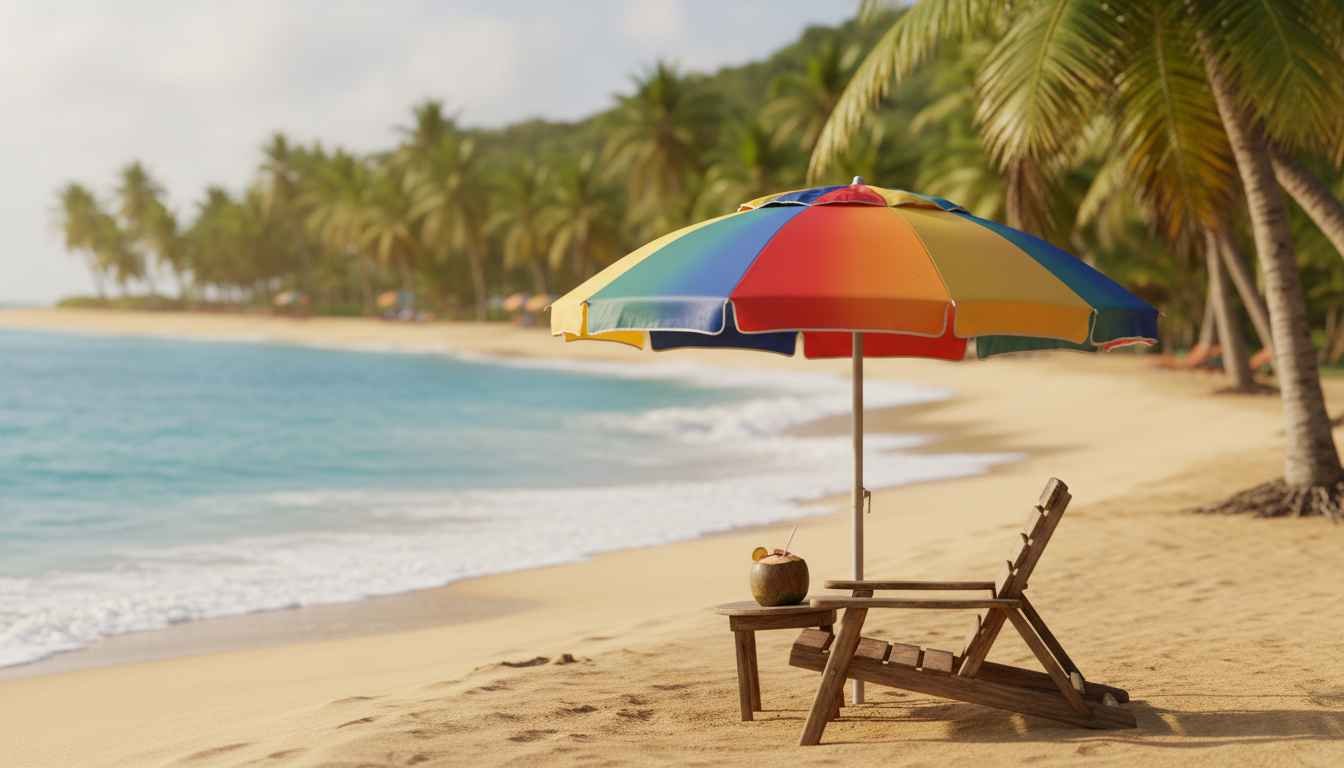
The island’s most famous beach needs no introduction: a sweeping curve of golden sand backed by forested hills, about a 45-minute drive from Port of Spain over the scenic North Coast Road. Come hungry — the beachside stalls serving bake and shark (fried shark in fried bread with your choice of toppings) are a Trinidad institution. Arrive early on weekends; it fills up fast.
2. Caroni Swamp
This vast mangrove wetland is one of Trinidad’s great natural spectacles. Take a late-afternoon boat tour through the channels and watch as thousands of scarlet ibis — the country’s national bird — return at sunset to roost, turning the trees flame-red. It is widely considered the island’s must-do wildlife experience.
3. Asa Wright Nature Centre
Set in the Arima Valley rainforest, this former cocoa and coffee estate is now one of the Caribbean’s most respected birdwatching lodges. Guided walks on its trails reveal toucans, manakins, and the oilbird colony in nearby Dunston Cave. Even non-birders love the veranda, where hummingbirds feed just feet away.
4. Pitch Lake, La Brea
The largest natural deposit of asphalt in the world sits in southwest Trinidad — a strange, otherworldly expanse of solidified tar you can walk across on guided tours. Local guides explain the lake’s geology and folklore, and the mineral-rich mud is said to have therapeutic properties. It is genuinely one of a kind.
5. Queen’s Park Savannah and the Magnificent Seven
In the heart of Port of Spain, the Savannah is the city’s great open green — joggers by morning, food vendors by night. Ringing it are the “Magnificent Seven,” a row of ornate colonial mansions from the early 1900s, each in a different architectural style. A slow drive or walk past them is a crash course in Trinidad’s history.
6. Temple in the Sea, Waterloo
One of Trinidad’s most moving landmarks: a Hindu temple built offshore at Waterloo by Siewdass Sadhu, who carried stones into the sea by hand for decades after being denied permission to build on land. Today it stands as a monument to devotion and perseverance — and a place of genuine spiritual significance for the island’s Hindu community.
7. Gasparee Caves, Gaspar Grande
A short boat ride from Chaguaramas takes you to Gaspar Grande island and its limestone cave system, where a collapsed cavern lets a shaft of light illuminate a crystal-clear underground pool. Guided tours explain the cave’s geology and its history, including traces of early Amerindian use.
8. Las Cuevas Beach
If Maracas is the famous beach, Las Cuevas — just further along the North Coast Road — is the locals’ favorite: calmer water, fewer crowds, and the same dramatic mountain backdrop. It is the better pick for swimming and for travelers who want the North Coast beauty without the weekend bustle.
9. Mount St. Benedict Abbey
Perched in the hills above St. Augustine, this working Benedictine monastery offers panoramic views over central Trinidad, a peaceful church, and a small shop selling the monks’ famous yogurt and baked goods. The winding drive up is half the experience. Visit on a clear morning for the best views.
10. Yerette — Home of the Hummingbird
Tucked in the Maracas Valley, this small sanctuary is devoted entirely to hummingbirds — over a dozen species visit its feeders, and the guided experience teaches you to identify them by behavior and call. It is a quiet, intimate counterpoint to the island’s bigger attractions and a favorite of photographers.
Planning Your Trinidad Trip
- Best time to visit: the dry season (roughly January to May) brings the most reliable weather — and Carnival season, usually February or March, if you want the island at its most electric.
- Getting around: public transport is limited; renting a car (remember, driving is on the left) gives you the freedom to reach the North Coast and southwest sights.
- Food to try: doubles (curried chickpeas in flatbread), bake and shark, pelau, callaloo, and fresh coconut water from roadside vendors.
- Currency: Trinidad and Tobago dollar (TTD); US dollars are widely accepted at hotels and larger businesses.
FAQs
Is Trinidad safe for tourists?
Like any destination, Trinidad rewards sensible precautions: stick to well-traveled areas, avoid isolated spots after dark, and use reputable tour operators. The main tourist sights listed here are routinely visited without incident.
How many days do you need in Trinidad?
Five to seven days lets you cover the highlights comfortably — two days for Port of Spain and the Savannah area, a day for the North Coast beaches, and day trips to Caroni Swamp, Pitch Lake, and the nature centers.
Can you combine Trinidad with Tobago?
Easily. A 20-minute domestic flight or the inter-island ferry connects Port of Spain with Scarborough, Tobago — and Tobago’s calmer beaches make a natural second half to the trip.
Final Thoughts
The top ten places to visit in Trinidad span beaches, swamps, caves, temples, and rainforest — a range few Caribbean islands can match. Give the island more than a cruise-ship day trip and it will repay you with some of the most distinctive experiences in the region. And if Trinidad whets your appetite for island-hopping, our guide to the best place to visit in the Dominican Republic covers another Caribbean favorite.